
7 Mistakes You’re Making with Weight Loss Medications (And How Personalized Therapy Fixes Them)

Weight loss medications like semaglutide, tirzepatide, and other GLP-1 treatments are transforming lives: but only when used correctly. Despite their breakthrough potential, most people unknowingly sabotage their results through preventable mistakes that significantly reduce effectiveness and increase the risk of weight regain.
The difference between those who achieve lasting transformation and those who struggle isn’t the medication itself: it’s how they use it. Here are the seven most critical mistakes people make with weight loss medications, and how personalized therapy creates the foundation for sustained success.
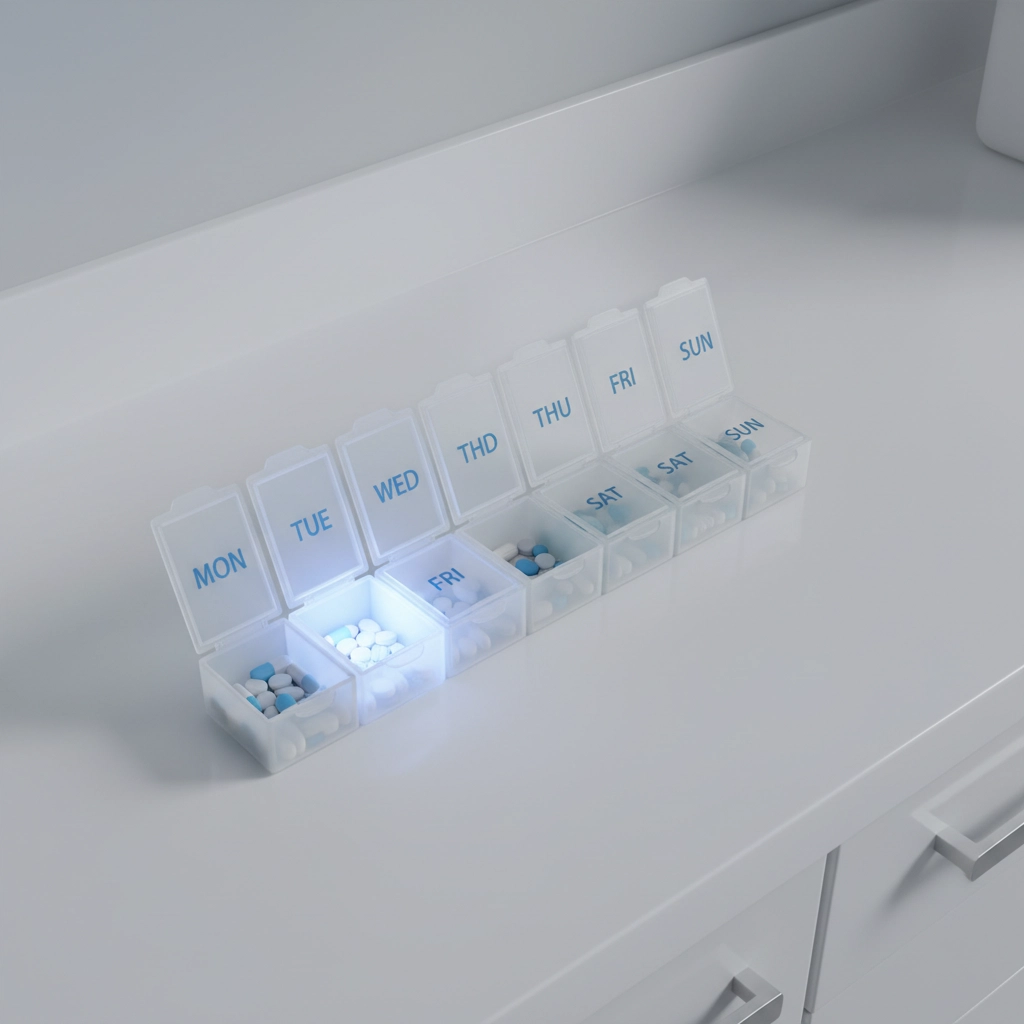
Mistake #1: Inconsistent Dosing and Poor Adherence
The most common mistake with weight loss medications is treating them like occasional supplements rather than prescription treatments requiring strict consistency. Missing doses, taking medications irregularly, or stopping and starting based on how you \”feel\” dramatically reduces effectiveness.
Weight loss medications work by maintaining steady levels in your system to regulate appetite hormones and blood sugar. Even missing a single weekly injection can disrupt this delicate balance, leading to appetite rebounds and cravings that derail progress. Many patients report that missing just one dose triggers intense hunger and food obsessions that take weeks to resolve.
How Personalized Therapy Fixes It:
A structured medication management program eliminates guesswork through scheduled check-ins, automated reminders, and accountability systems tailored to your lifestyle. Healthcare providers track your adherence patterns and identify potential barriers before they become problems.
Personalized therapy also includes education about why consistency matters, helping you understand that weight loss medications aren’t \”as needed\” treatments: they’re systematic interventions that require commitment to deliver results.
Mistake #2: Drastically Under-Eating or Skipping Meals
Weight loss medications reduce appetite so effectively that many people swing to the opposite extreme: eating dangerously little or skipping meals entirely. This creates a metabolic disaster that actually slows weight loss while increasing the risk of muscle loss, nutritional deficiencies, and eventual weight regain.
When you eat too little, your body enters conservation mode, slowing metabolism and breaking down muscle tissue for energy. The result? You lose weight initially, but it’s the wrong kind of weight loss that makes long-term maintenance nearly impossible.
Research shows that people who under-eat while on weight loss medications lose more muscle mass and experience greater metabolic slowdown compared to those following structured eating plans with adequate calories.
How Personalized Therapy Fixes It:
Professional nutrition guidance establishes minimum calorie and meal structure requirements that work with your medication, not against your metabolism. This typically means eating at least three balanced meals daily, with no more than four hours between eating opportunities.
Personalized meal planning ensures you’re getting adequate nutrition while still allowing the medication to control appetite naturally. This approach prevents the metabolic damage that comes from extreme restriction while optimizing the medication’s appetite-suppressing benefits.
Mistake #3: Ignoring Protein Requirements
Most people focus on eating less food without considering what type of food they’re reducing. This often leads to severely inadequate protein intake: a critical error that accelerates muscle loss and slows metabolism during weight loss.
Protein requirements actually increase during weight loss to preserve muscle mass and support metabolic function. Yet many people on weight loss medications consume less than half their protein needs, leading to muscle wasting, fatigue, and eventual weight regain once they stop the medication.
The appetite suppression from GLP-1 medications makes protein-rich foods less appealing, creating a perfect storm for protein deficiency that most people don’t recognize until significant muscle loss has occurred.
How Personalized Therapy Fixes It:
Customized nutrition protocols establish specific protein targets based on your body weight, activity level, and weight loss goals. Most patients need 0.8-1.2 grams of protein per pound of goal body weight to maintain muscle mass during weight loss.
Professional guidance includes meal timing strategies, protein supplement recommendations, and food preparation techniques that make meeting protein goals achievable even with reduced appetite. This ensures you lose fat, not muscle, while taking weight loss medications.

Mistake #4: Avoiding Exercise Completely
The effectiveness of weight loss medications often creates a false sense that exercise isn’t necessary. Many patients become sedentary, thinking the medication will handle everything. This approach works initially but creates long-term problems that become apparent once the medication stops.
Exercise during weight loss serves multiple crucial functions beyond burning calories: it preserves muscle mass, maintains metabolic flexibility, improves insulin sensitivity, and builds the behavioral foundation for weight maintenance. Without exercise, weight loss medications become temporary fixes rather than lasting solutions.
Studies consistently show that people who combine weight loss medications with structured exercise programs maintain significantly more weight loss long-term compared to those relying on medication alone.
How Personalized Therapy Fixes It:
Integrated treatment programs include fitness assessments and customized exercise prescriptions that complement your medication protocol. This isn’t about intense workouts: it’s about building sustainable movement habits that support your transformation.
Professional guidance helps you understand exercise as medicine that works synergistically with your weight loss medications. The combination preserves muscle mass, enhances medication effectiveness, and creates the physical foundation for maintaining your results independently.
Mistake #5: Treating Medication as a Magic Cure
Perhaps the most destructive mistake is viewing weight loss medications as standalone solutions that eliminate the need for lifestyle changes. This \”magic pill\” mentality prevents the behavioral modifications necessary for lasting success and sets up inevitable failure once the medication stops.
Weight loss medications are tools that make lifestyle changes easier, not replacements for those changes. They reduce appetite and food obsessions, creating space for you to develop healthier eating patterns and exercise habits. But they can’t create these habits for you.
People who rely entirely on medication without addressing underlying behaviors almost always regain weight once treatment ends. The medication provides a window of opportunity, but that window must be used to build lasting skills.
How Personalized Therapy Fixes It:
Comprehensive treatment reframes medication as a powerful tool that enables sustainable behavior change rather than replacing it. This mindset shift is fundamental to long-term success and prevents the disappointment that comes from unrealistic expectations.
Personalized therapy includes behavioral coaching that helps you identify and modify the eating patterns, emotional triggers, and lifestyle factors that contributed to weight gain. The medication makes this work easier by reducing cravings and food obsessions, but the real transformation happens through developing new skills and habits.

Mistake #6: Neglecting Hydration and Basic Health Habits
Weight loss medications can affect digestion and appetite in ways that make it easy to forget basic health requirements like adequate hydration. Many people experience side effects like nausea or constipation and don’t realize that proper hydration significantly reduces these issues while supporting weight loss.
Dehydration can mimic hunger, slow metabolism, and increase fatigue: all factors that work against your weight loss goals. When you’re focused on the dramatic appetite changes from medication, it’s easy to overlook that you’re drinking far less water than your body needs.
How Personalized Therapy Fixes It:
Professional monitoring includes hydration guidelines tailored to your medication protocol and individual needs. This typically means consuming at least 64 ounces of water daily, with adjustments based on activity level, climate, and medication side effects.
Structured check-ins help identify and address side effects early, often through simple modifications like timing water intake, adjusting meal schedules, or incorporating electrolyte support. These small adjustments can dramatically improve your experience and results.
Mistake #7: No Exit Strategy or Maintenance Plan
The most critical mistake happens when people approach weight loss medications without considering what comes next. Most patients focus entirely on losing weight and give little thought to maintaining that weight loss once they stop the medication.
Research clearly shows that appetite and food cravings return when weight loss medications are discontinued. Without a structured maintenance plan, the majority of people regain most or all of their lost weight within two years of stopping treatment.
This isn’t a failure of willpower: it’s a predictable physiological response that requires advance planning and professional support to navigate successfully.
How Personalized Therapy Fixes It:
Comprehensive treatment includes maintenance planning from day one, not as an afterthought when you’re ready to stop medication. This involves building the behavioral, nutritional, and exercise foundation that will support weight maintenance independently.
Professional transition planning includes gradual medication tapering, intensified behavioral support, and ongoing monitoring during the critical months after discontinuation. This structured approach dramatically improves the likelihood of maintaining your weight loss long-term.

The Personalized Therapy Advantage
These seven mistakes share a common thread: they occur when people try to use powerful weight loss medications without professional guidance and comprehensive support. Weight loss medications are prescription treatments that require the same level of medical oversight and behavioral support as any other serious medical intervention.
Personalized therapy addresses each of these mistakes through structured protocols, professional monitoring, and individualized support that adapts to your unique needs and challenges. This isn’t about following generic guidelines: it’s about creating a treatment plan specifically designed for your body, lifestyle, and goals.
The difference in results is dramatic. Patients following personalized therapy protocols consistently achieve greater weight loss, experience fewer side effects, and maintain their results long-term compared to those attempting to manage treatment independently.
Your Path to Lasting Transformation
Weight loss medications represent a breakthrough in obesity treatment, but their success depends entirely on how they’re used. Avoiding these seven critical mistakes requires the knowledge, support, and accountability that only professional guidance can provide.
At HormoneNexus, we specialize in personalized weight management programs that maximize medication effectiveness while building the foundation for lasting success. Our comprehensive approach addresses each of these common mistakes through individualized treatment protocols, ongoing support, and evidence-based strategies that transform temporary weight loss into permanent lifestyle change.
Don’t let these preventable mistakes sabotage your transformation. The difference between temporary results and lasting success is having the right guidance from the start.
Ready to avoid these critical mistakes and achieve the lasting results you deserve? Contact our team today to learn how personalized therapy can transform your weight loss medication experience and create the foundation for permanent success.