Why Everyone Is Talking About GLP-1 + Hormone Therapy (And You Should Too)

The healthcare world is buzzing about a powerful new combination that’s delivering breakthrough results for weight loss. Recent research reveals that pairing GLP-1 medications with hormone therapy isn’t just effective: it’s transformative for postmenopausal women struggling to lose weight.
This game-changing approach addresses what millions of women experience: stubborn weight gain during menopause that refuses to budge despite diet and exercise efforts. Now, cutting-edge research shows there’s a scientific reason why this combination works so well, and the results are impressive.
The Research That’s Changing Everything
A groundbreaking Mayo Clinic study presented at the Endocrine Society’s annual meeting in July 2025 delivered results that have medical professionals taking notice. Over 18 months, postmenopausal women combining tirzepatide with hormone therapy achieved an average weight loss of 17% of their total body weight: compared to 14% for women using tirzepatide alone.
The numbers get even more compelling when you look at significant weight loss milestones. Nearly half of the women using both treatments lost at least 20% of their body weight, while only 18% of those on GLP-1 alone reached this threshold.

A separate study examining semaglutide produced similar breakthrough results. Women combining hormone therapy with this GLP-1 medication lost approximately 16% of their body weight after one year, compared to 12% for women using semaglutide without hormone support.
These aren’t marginal improvements: they represent a significant leap forward in weight management outcomes for postmenopausal women.
Why This Combination Delivers Superior Results
The science behind this combination’s effectiveness lies in addressing menopause’s metabolic disruption directly. Dr. Stephanie S. Faubion, director of Mayo Clinic’s Center for Women’s Health, explains that hormone therapy “may help reverse some of the metabolic changes women experience during the menopause transition that make it harder for them to lose weight.”
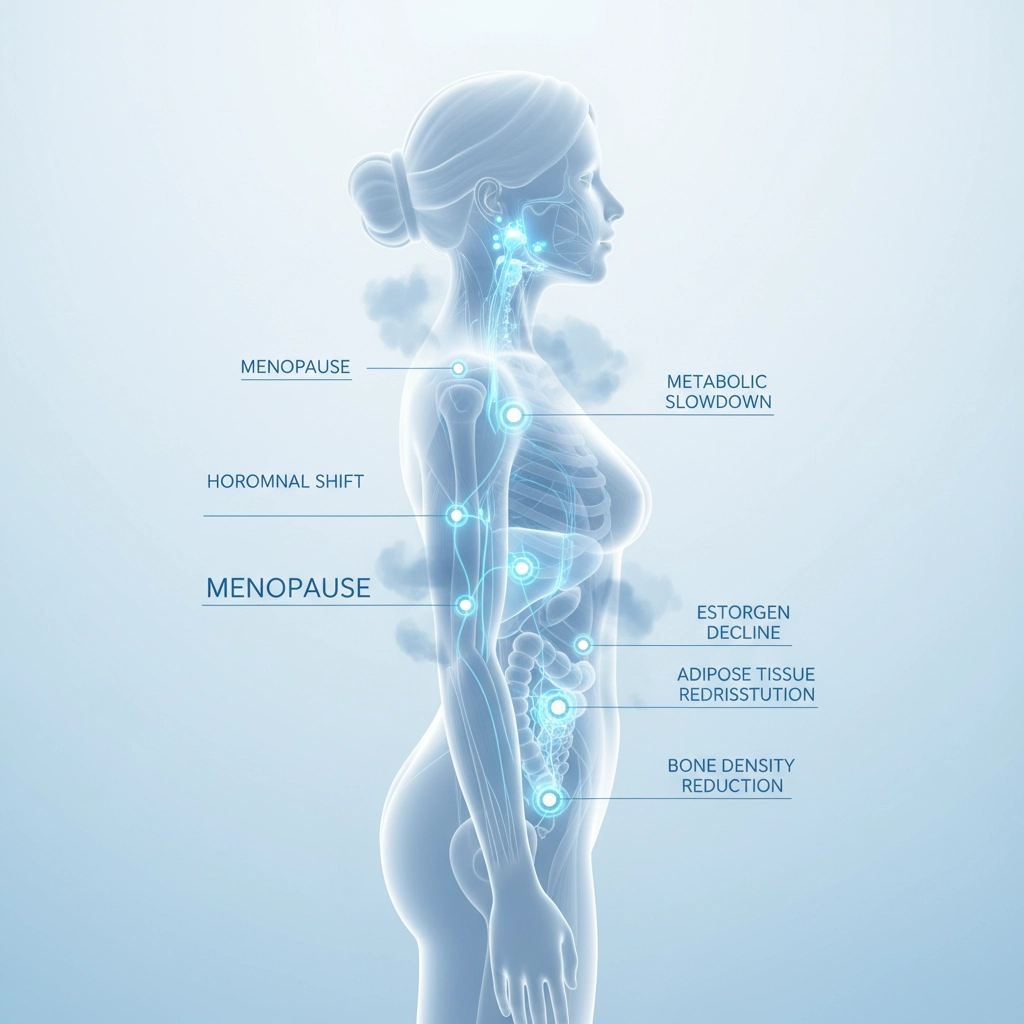
During menopause, declining estrogen levels trigger several metabolic shifts:
- Slower baseline metabolism that burns fewer calories at rest
- Increased insulin resistance making weight loss more difficult
- Changes in fat distribution favoring abdominal storage
- Reduced muscle mass further slowing metabolic rate
GLP-1 medications like compounded semaglutide and compounded tirzepatide work by enhancing insulin sensitivity, slowing gastric emptying, and reducing appetite. When combined with hormone therapy’s metabolic restoration effects, this dual approach tackles weight loss resistance from multiple angles simultaneously.
Beyond Weight Loss: Comprehensive Health Benefits
The transformative power of this combination extends far beyond the scale. Both treatment groups in the Mayo Clinic study showed marked improvements in cardiovascular health markers, including:
- Improved A1C levels indicating better blood sugar control
- Reduced blood pressure supporting heart health
- Better cholesterol profiles with women on combination therapy showing the most significant improvements
These cardiovascular benefits are particularly crucial for postmenopausal women, who face increased risk of heart disease after menopause. GLP-1 medications independently provide cardiovascular protection through reduced inflammation, lower cholesterol, and decreased blood pressure: benefits that appear enhanced when combined with appropriate hormone therapy.
Who Should Consider This Breakthrough Approach
This combination therapy represents a game-changer for specific populations, particularly:
- Postmenopausal women experiencing metabolic changes that make traditional weight loss methods less effective
- Women with metabolic syndrome who need comprehensive approaches addressing multiple health markers simultaneously
- Those seeking cardiovascular protection while pursuing weight loss goals
- Women struggling with appetite control during hormonal transitions
However, individual medical history and current health status must guide treatment decisions. The most successful outcomes occur when treatments are personalized based on comprehensive health assessments.

Important Considerations for Safe, Effective Treatment
While research results are promising, medical experts emphasize that this combination isn’t appropriate for everyone. Dr. Faubion cautions against prescribing both therapies to women with certain risk factors: “If you have a 50-year-old woman whose BMI is 44, she’s at high risk of developing complications like a heart attack or a blood clot from hormone therapy.”
For high-risk patients, the recommended approach involves:
- Starting with GLP-1 therapy alone to achieve initial weight loss and cardiovascular improvement
- Reassessing candidacy for hormone therapy after metabolic improvements
- Comprehensive monitoring throughout treatment progression
Additionally, current research lacks complete data on body composition changes. It remains unclear whether women lose primarily visceral abdominal fat or also experience muscle loss, which could impact long-term metabolic health.
Maximizing Results: The Complete Treatment Approach
To optimize outcomes with GLP-1 and hormone therapy combinations, experts recommend incorporating resistance training as a crucial component. This is particularly important for menopausal women, regardless of their specific medication regimen.
Resistance training helps:
- Preserve muscle mass during weight loss
- Maintain metabolic rate for sustained results
- Improve bone density addressing menopause-related bone loss
- Enhance overall strength supporting active lifestyle maintenance

The most successful treatment programs combine pharmaceutical interventions with lifestyle modifications, creating comprehensive approaches that address multiple aspects of menopausal health challenges.
The Future of Personalized Weight Management
This research represents more than just promising study results: it signals a shift toward personalized medicine approaches that address individual hormonal and metabolic needs. Rather than one-size-fits-all solutions, successful weight management increasingly requires treatments tailored to specific life stages and hormonal states.
For postmenopausal women, this combination offers hope for overcoming weight loss resistance that traditional approaches often can’t address. The key lies in working with healthcare providers who understand both GLP-1 medications and hormone therapy to create safe, effective treatment plans.
Taking the Next Step Forward
The conversation around GLP-1 and hormone therapy combinations is just beginning, but early research provides compelling evidence for their effectiveness in appropriate candidates. If you’re experiencing weight loss resistance during menopause or struggling with metabolic changes that make traditional approaches ineffective, this breakthrough combination might offer the solution you’ve been seeking.
At HormoneNexus, we specialize in personalized treatment approaches that address your unique hormonal and metabolic needs. Our experienced medical team understands the complexities of combining treatments safely and effectively, ensuring you receive comprehensive care tailored to your specific situation.
Ready to explore personalized treatment options? Contact us today to schedule a consultation and discover how the latest advances in GLP-1 and hormone therapy might work for your specific needs. Your breakthrough moment is waiting.