Low Testosterone + Weight Struggles? Here’s the Truth About Treating Both Together
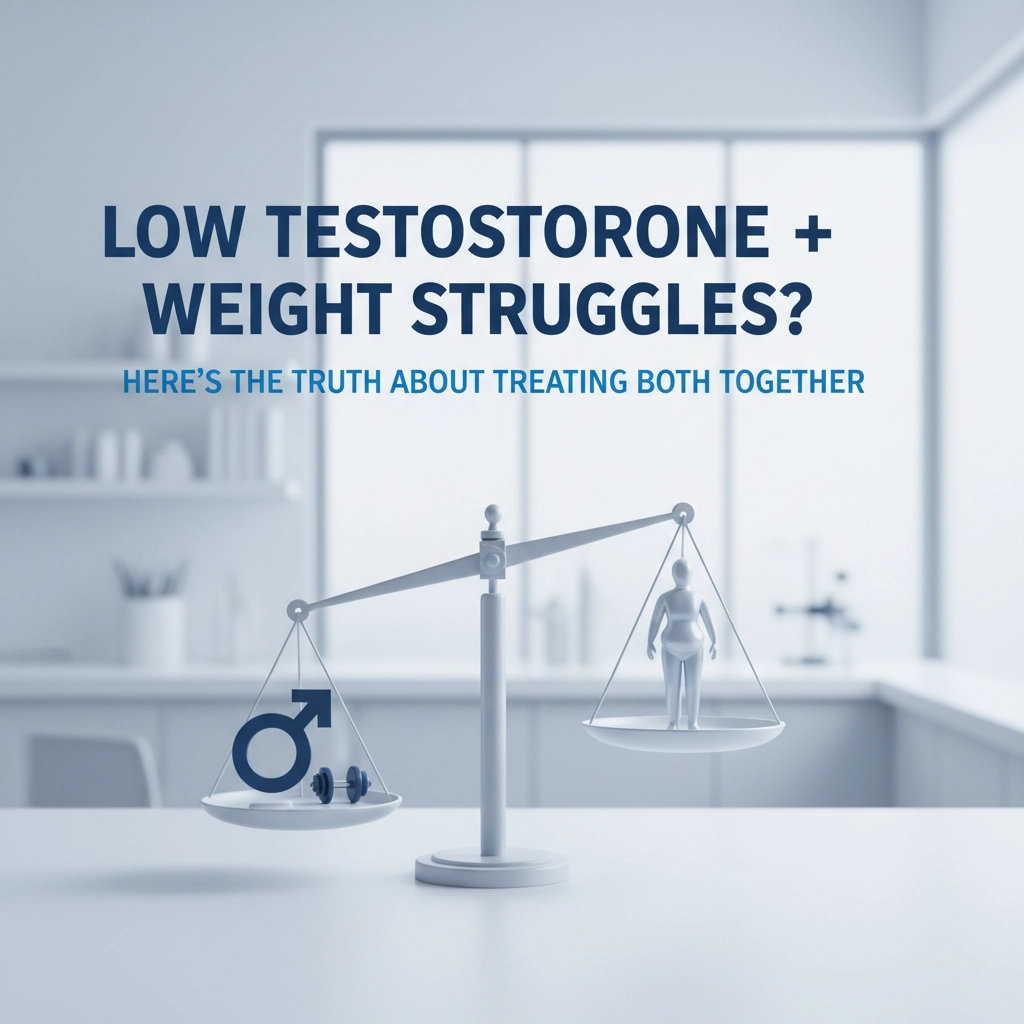
If you’ve been fighting the same 20-30 pounds for years despite diet and exercise, low testosterone might be the missing piece of your weight loss puzzle. The connection between declining testosterone and stubborn weight gain is more than coincidence: it’s science. And the breakthrough approach of treating both together is delivering results that single-focused strategies simply can’t match.
Here’s what you need to know about why your weight struggles might actually be hormone struggles, and how addressing both simultaneously can transform your results.
The Hidden Connection: How Low Testosterone Drives Weight Gain
Low testosterone doesn’t just affect your energy and mood: it fundamentally rewrites your body’s weight management system. When testosterone levels drop below optimal ranges, a cascade of metabolic changes makes weight gain almost inevitable.
Your Muscle Mass Disappears
Testosterone is your body’s primary muscle-building hormone. As levels decline, muscle tissue breaks down faster than it rebuilds, leading to gradual but steady muscle loss. Since muscle tissue burns significantly more calories than fat tissue—even while you’re sleeping—this loss directly slows your metabolism.
The numbers are stark: men lose approximately 1-2% of muscle mass per year after age 30, with testosterone decline accelerating this process. Less muscle means fewer calories burned at rest—making weight maintenance increasingly difficult with each passing year.
Your Hormonal Balance Shifts
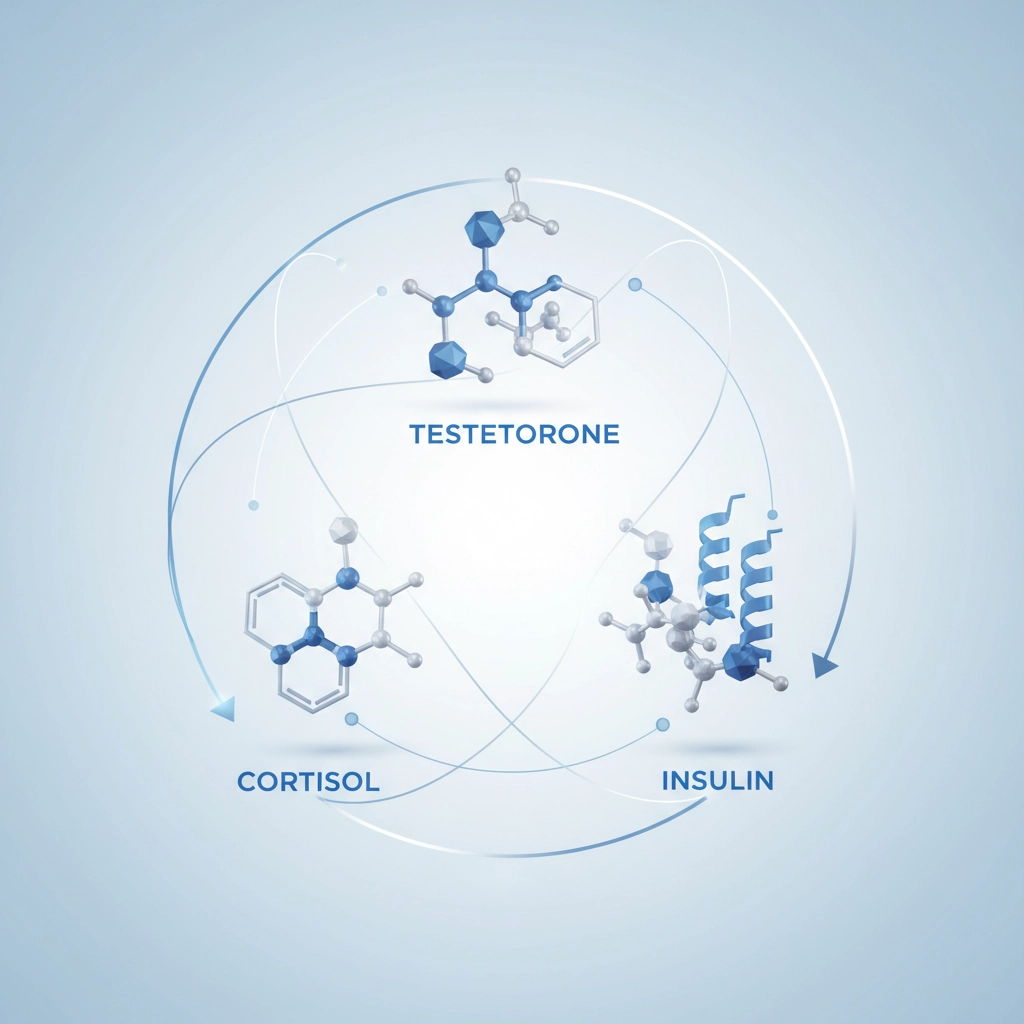
Low testosterone creates a domino effect throughout your endocrine system. Cortisol levels often rise, promoting fat storage (especially around the midsection). Insulin sensitivity decreases, making your body more likely to store carbohydrates as fat rather than using them for energy.
Perhaps most frustratingly, the hormones that regulate appetite—leptin and ghrelin—become imbalanced. You feel hungrier more often while your body’s “full” signals weaken, creating a perfect storm for overeating and weight gain.
The Vicious Cycle Begins
This creates what researchers call a bidirectional relationship: low testosterone drives weight gain, but excess weight also suppresses testosterone production. Fat tissue contains an enzyme called aromatase that converts testosterone into estrogen, further lowering your testosterone levels and making weight loss even more challenging.
Breaking this cycle requires addressing both the hormone deficiency and the weight gain simultaneously—which is exactly why combination treatment approaches are proving so effective.
Why Treating Both Together Delivers Superior Results
Recent clinical research reveals that men with low testosterone who receive hormone replacement therapy while following structured weight management programs achieve dramatically better outcomes than those pursuing either approach alone.
Enhanced Muscle Building and Fat Loss
Testosterone replacement therapy (TRT) doesn’t just restore hormone levels—it actively reverses the metabolic damage caused by deficiency. Within the first few months of treatment, patients typically experience:
- Increased lean muscle mass that boosts metabolic rate
- Preferential loss of visceral fat (the dangerous belly fat)
- Improved insulin sensitivity that helps prevent future weight gain
- Enhanced protein synthesis that supports muscle repair and growth
One landmark study of obese men with low testosterone found that those receiving long-term TRT lost significant weight while maintaining muscle mass. The control group—men with similar testosterone levels who didn’t receive treatment—actually gained weight during the same period.
Accelerated Recovery and Performance
TRT enhances your body’s ability to recover from workouts and build lean muscle. This means you can train more effectively, see faster strength gains, and maintain higher activity levels—all crucial factors for sustainable weight management.
Research shows that men on TRT combined with strength training programs gain muscle mass 40-60% faster than those relying on exercise alone. This accelerated muscle building directly translates to a higher metabolic rate and easier long-term weight maintenance.
Your Results Timeline: What to Expect and When
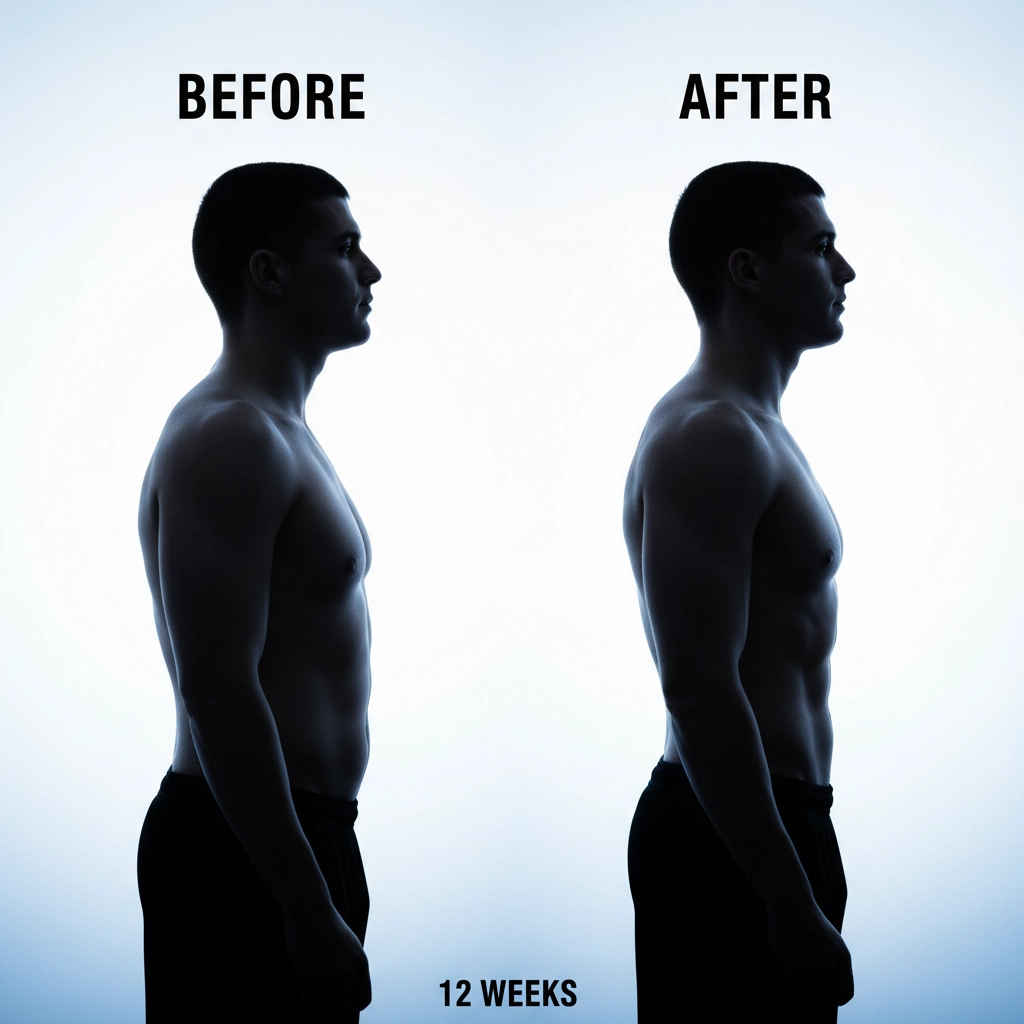
Understanding the timeline for combined testosterone and weight management treatment helps set realistic expectations and maintain motivation during the transformation process.
Months 1-3: Foundation Building
- Improved energy and motivation for exercise
- Better sleep quality and recovery
- Initial reductions in abdominal fat
- Gradual improvements in strength and endurance
Many patients report feeling significantly better within the first 4-6 weeks, even before seeing dramatic physical changes. This improved sense of well-being often makes it easier to stick with nutrition and exercise programs.
Months 3-6: Visible Transformation
- Noticeable muscle mass increases
- Significant reductions in body fat percentage
- Improved body composition with a leaner, more defined physique
- Enhanced cardiovascular health markers
Clinical studies show that men following combined protocols during this period achieve weight loss 6-8 pounds greater than those using diet and exercise alone, while simultaneously gaining muscle mass.
Months 6-12: Sustained Results
- Sustainable weight maintenance without extreme restriction
- Continued muscle building and strength gains
- Improved metabolic health markers including blood sugar and cholesterol
- Enhanced quality of life and overall vitality
The key advantage of treating both testosterone deficiency and weight issues together is that the results become self-reinforcing. Better hormone levels support more effective workouts, which drive better body composition, which supports healthier hormone production.
The Lifestyle Factors That Maximize Your Success
TRT provides the hormonal foundation for transformation, but combining it with targeted lifestyle strategies amplifies results dramatically. Here’s what makes the difference between good results and exceptional ones.
Strategic Nutrition Timing
Your body’s enhanced ability to build muscle on TRT means protein timing becomes more crucial. Consuming 25-30 grams of high-quality protein within 30 minutes post-workout maximizes the muscle-building benefits of elevated testosterone levels.
Focus on nutrient-dense whole foods that support hormone production: lean meats, fish, eggs, nuts, seeds, and plenty of vegetables. Minimize processed foods and refined sugars that can interfere with insulin sensitivity: one of the key benefits you’re working to optimize.
Compound Movement Focus
Strength training becomes significantly more effective when testosterone levels are optimized. Prioritize compound movements like squats, deadlifts, bench press, and rows that engage multiple muscle groups simultaneously. These exercises not only build more muscle mass but also provide the greatest stimulus for continued natural testosterone production.
Research shows that men on TRT who follow structured strength training programs gain lean muscle mass up to 3x faster than those doing cardio alone or unstructured workouts.
Recovery and Sleep Optimization
TRT enhances your body’s recovery capabilities, but only if you provide adequate recovery time. Prioritize 7-9 hours of quality sleep nightly—this is when your body produces the most growth hormone and repairs muscle tissue.
Consider your sleep environment, stress management techniques, and evening routines as crucial components of your transformation strategy, not optional add-ons.
Natural Testosterone Support Strategies
While TRT provides the most dramatic results for men with clinically low testosterone, several natural strategies can complement treatment and support optimal hormone levels:
Vitamin D and Zinc Optimization
Deficiencies in vitamin D and zinc are strongly associated with low testosterone levels. Most men benefit from 3,000-5,000 IU of vitamin D3 daily and 15-30mg of zinc, preferably from whole food sources like oysters, beef, and pumpkin seeds.
Stress Management
Chronic stress elevates cortisol, which directly suppresses testosterone production. Regular meditation, yoga, or other stress-reduction practices can significantly impact hormone balance and weight management success.
Intermittent Fasting
Strategic fasting periods can improve insulin sensitivity and support healthy testosterone levels. Many patients find that 16:8 intermittent fasting (eating within an 8-hour window) complements their TRT and weight management program effectively.

The Future of Integrated Hormone and Weight Management
The medical community is increasingly recognizing that sustainable weight loss—particularly for men over 35—requires addressing underlying hormonal imbalances. Traditional approaches that ignore testosterone deficiency often fail because they’re fighting against the body’s biochemistry rather than working with it.
This integrated approach represents a fundamental shift from generic weight loss programs to personalized hormone optimization. By treating the root cause rather than just the symptoms, patients achieve not only better weight loss results but improved overall health, energy, and quality of life.
Your Next Step Toward Transformation
If you’ve been struggling with weight gain despite diet and exercise efforts, low testosterone might be the missing piece of your puzzle. The combination of hormone optimization and targeted weight management delivers results that neither approach can achieve alone.
At HormoneNexus, we specialize in comprehensive treatment programs that address both testosterone deficiency and weight management through personalized, medically supervised protocols. Our approach combines cutting-edge hormone replacement therapy with proven weight management strategies tailored to your specific needs and goals.
Don’t let another year pass fighting the same weight struggles. The breakthrough in combined testosterone and weight management treatment is here, and your transformation is waiting.
Ready to break the cycle? Contact us today to schedule your comprehensive consultation and discover how optimized testosterone levels can finally unlock the sustainable weight management results you’ve been seeking.